
Holistic Psychology & Therapy in St. Petersburg, FL
Doctorate-level, evidence-based care for individuals, couples, and families — led by Dr. Kimberly Carnall, PsyD.
Or call/text (813) 641-4463
Compassionate Care
Meet Our Team

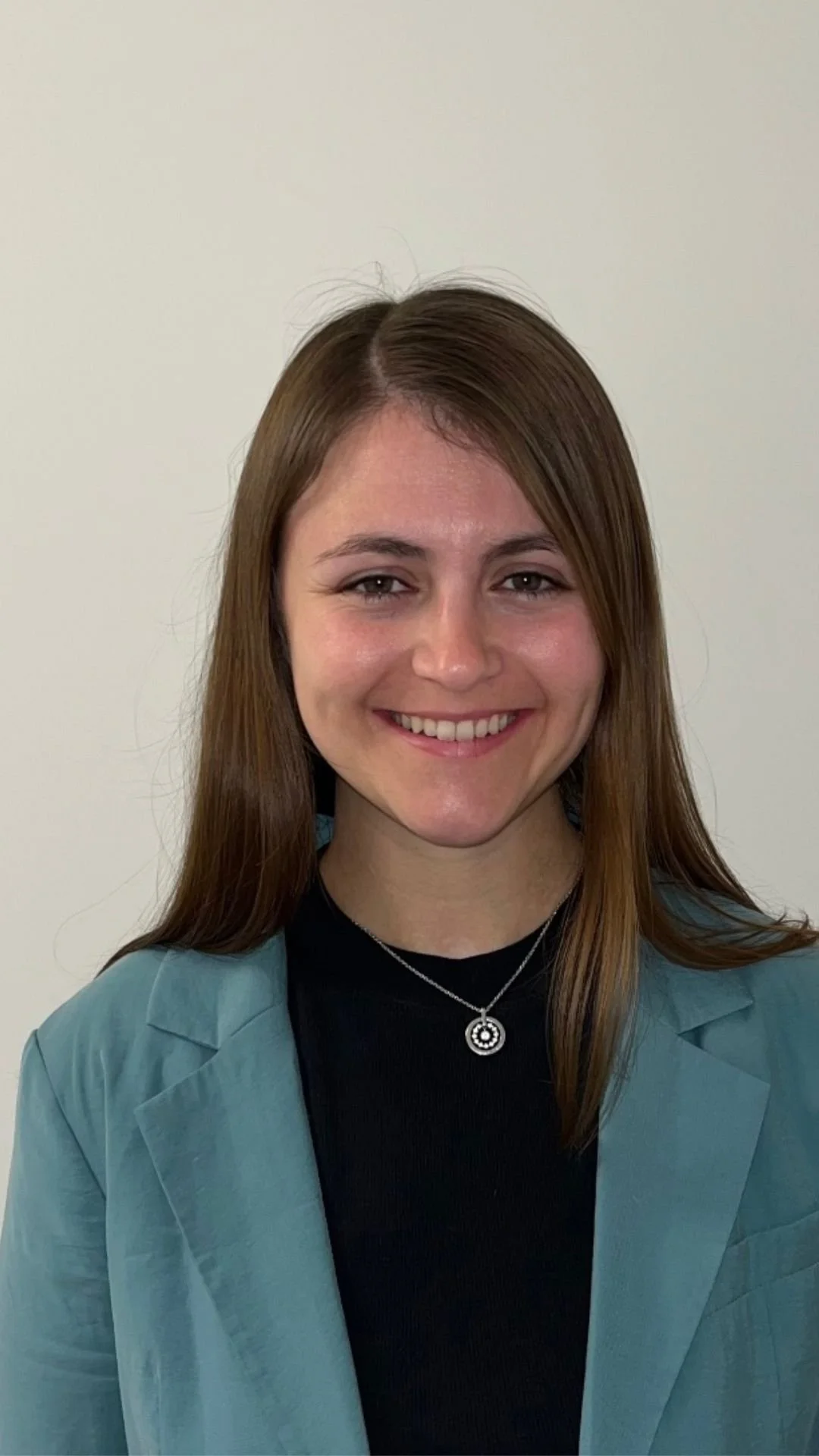




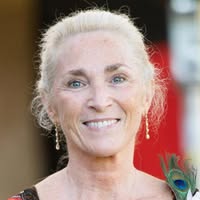
Our holistic framework at our St. Petersburg clinic looks beyond symptoms to understand the whole person — your emotions, history, relationships, and environment. Serving clients in downtown St. Petersburg, the Tampa Bay area, and throughout Florida.
Our Services
Therapy Services in St. Petersburg, FL
Evidence-based and holistic therapy tailored to your unique needs. Explore our services by category.
Anxiety Therapy
Evidence-based treatment for anxiety, panic attacks, and chronic worry.
Learn more →Depression Therapy
Holistic depression treatment combining CBT, mindfulness, and integrative approaches.
Learn more →Trauma & PTSD Therapy
EMDR, IFS, and somatic approaches for trauma, PTSD, and adverse experiences.
Learn more →ADHD Therapy
Focus strategies, emotional regulation, and practical skills for thriving with ADHD.
Learn more →Mental Health Counseling
Individual counseling for life transitions, emotional regulation, and personal growth.
Learn more →Anxiety Therapy
Evidence-based treatment for anxiety, worry, panic attacks & chronic stress.
Learn more →Men's Therapy
A judgment-free space for men to work through anger, burnout, and emotional health.
Learn more →Women's Therapy
Therapy for women navigating life transitions, self-worth, burnout, and reproductive health.
Learn more →LGBTQIA+ Counseling
Affirming therapy for identity, coming out, minority stress, and relationship support.
Learn more →Grief Counseling
Compassionate grief therapy for loss, bereavement, and life transitions.
Learn more →Google Reviews
What Our Clients Say
Anevay is a fantastic therapist. I have recommended her to many because she is compassionate, attentive, and highly skilled at meeting clients where they are. Her collaborative approach makes therapy feel supportive, respectful, and productive.
The clinicians are so warm and welcoming, and the office space is beautiful and makes you feel so comfortable. I would highly recommend this clinic to anyone looking for services!
Dr. Verrico is a godsend!! So happy to have found her! I can't recommend her highly enough!!
The clinicians are extremely warm and personable here
The best therapist and counselor I have ever known. A life saver!
Dr Kim has changed my life and so many others as well. I couldn't be luckier to have her.
Our Approach
How Is Our Approach to Therapy Different?
What sets St. Petersburg Holistic Psychology Clinic apart is our commitment to treating the whole person — not just the diagnosis. While many therapy practices in the Tampa Bay area rely on a single treatment model, our St. Petersburg therapists are trained in multiple evidence-based modalities including Cognitive Behavioral Therapy (CBT), EMDR (Eye Movement Desensitization and Reprocessing), somatic experiencing, and mindfulness-based approaches.
We don't believe in one-size-fits-all therapy. During your first session at our St. Petersburg office, we take the time to understand your full history, current challenges, and personal goals. From there, we build a customized treatment plan that integrates the techniques most likely to help you — whether that's structured CBT for anxiety, EMDR for trauma processing, or holistic strategies for overall wellness.
Our holistic philosophy means we also consider how physical health, relationships, lifestyle, and spiritual well-being affect your mental health. This integrative approach leads to deeper, more lasting healing than symptom management alone.
Who We Help
Who Can Benefit from Therapy?
Our St. Petersburg therapists work with a diverse range of clients across the Tampa Bay area, including:
Whether you live in downtown St. Petersburg, South Pasadena, Gulfport, Treasure Island, Kenneth City, or anywhere in Pinellas County, we're here to help. We also offer online therapy throughout the state of Florida for those who prefer telehealth sessions.
Licensed Psychologist & Owner
Dr. Kimberly Carnall, PsyD
After earning my doctorate in clinical psychology, I began my career practicing traditional psychotherapy — but something felt incomplete. While exploring thoughts and emotions created progress, I sensed that true healing required more than insight alone.
Over time, I began weaving mind, body, and spirit practices into my sessions at our St. Petersburg clinic. What followed was profound. My clients weren't just understanding themselves better — they were transforming.
Conscious counseling grew from this realization. It's our approach to therapy in St. Petersburg — an integrative process that combines psychological tools with body-based awareness and mindfulness, honoring the whole human. Clients throughout Tampa Bay, Pinellas County, and all of Florida access this approach both in-person and via telehealth.
The PsyD Difference
Why Doctorate-Level Psychology Matters
Doctorate-Level Training
A PsyD (Doctor of Psychology) represents 5–7 years of graduate training in clinical psychology, including supervised clinical hours and a doctoral dissertation. Most therapists hold master's degrees — Dr. Carnall's doctorate means deeper diagnostic expertise.
Psychological Testing Expertise
Only licensed psychologists can administer and interpret psychological assessments for ADHD, learning disabilities, and complex diagnoses. Our clinic offers this in-house.
Complex Case Experience
Doctorate-trained psychologists are equipped to treat complex conditions like dissociative identity disorder, complex trauma, and co-occurring diagnoses that require advanced clinical judgment.
Dr. Kimberly Carnall is one of the few PsyD-led holistic psychology practices in the Tampa Bay area actively accepting new patients.
Insurance & Pricing
Do You Accept Insurance?
We understand that cost is one of the biggest concerns when starting therapy. At St. Petersburg Holistic Psychology Clinic, we work to make mental health care accessible. Contact our office at (813) 641-4463 to verify your specific insurance coverage and benefits.
We can also provide superbills for clients with out-of-network benefits, which may allow you to receive partial reimbursement from your insurance provider. Ask us about sliding scale options if cost is a barrier to getting the care you need.
Our Location
Where Is Your Therapy Office in St. Petersburg?
Our therapy clinic is conveniently located in St. Petersburg, Florida, serving clients from across the Tampa Bay area. We're easily accessible from downtown St. Pete, with convenient parking available. We serve clients from St. Petersburg, Gulfport, South Pasadena, Treasure Island, Kenneth City, Pasadena, Pinellas Park, and throughout Pinellas County. Can't make it in person? We also offer secure online therapy sessions for clients throughout Florida.
Do You Offer Online Therapy in Florida?
Yes! St. Petersburg Holistic Psychology Clinic offers secure telehealth therapy sessions to clients throughout the state of Florida. Our online therapy sessions use HIPAA-compliant video platforms, so your privacy is always protected.
Online therapy is just as effective as in-person sessions for many conditions, including anxiety, depression, ADHD, and relationship issues. Telehealth is ideal for clients with busy schedules, those in rural areas of Florida, or anyone who prefers the comfort of therapy from home.
Whether you're in Jacksonville, Miami, Orlando, Tampa, or right here in St. Pete, our licensed therapists are available for virtual sessions. Book your online therapy appointment today.
Getting Started
What Should I Expect at My First Therapy Session?
Starting therapy can feel intimidating, but we make the process as comfortable as possible at our St. Petersburg clinic. Here's what to expect:
Before your session, you'll complete a brief intake form covering your history and current concerns. Your first session (typically 50–60 minutes) is focused on getting to know you — your therapist will ask about what brought you to therapy, your goals, and your background. There's no pressure to share anything you're not ready to discuss.
Together, you and your therapist will develop a personalized treatment plan tailored to your specific needs. You'll leave your first session with a clear understanding of the therapeutic approach we recommend and what the next steps look like.
Most clients tell us they feel a sense of relief just from taking that first step. You don't need to have everything figured out — that's what we're here for.
How Long Does Therapy Take to Work?
Every person's therapy journey is different. Many clients at our St. Petersburg clinic begin noticing positive changes within 4–8 sessions, though some issues may benefit from longer-term treatment. Specific phobias and acute anxiety often respond quickly to targeted approaches like CBT or EMDR. Complex trauma, long-standing depression, or relationship patterns may require more time to fully address.
Your therapist will regularly check in on your progress and adjust the treatment plan as needed. Our goal is always to help you build lasting skills — not to keep you in therapy indefinitely.
Why Us
Why Choose Our Clinic?
There are many therapists in St. Petersburg, FL — so why choose us? Here's what makes our clinic different:
We're not just another therapy clinic. We're a team of dedicated St. Petersburg mental health professionals who genuinely care about helping you build a life that feels meaningful and whole.
On the Blog
Insights for Your Healing Journey




Common Questions
Frequently Asked Questions
Ready to Start Therapy in St. Petersburg?
Taking the first step toward better mental health is the hardest part — and you've already started by being here. Our St. Petersburg therapists are ready to help you build a life that feels more balanced, connected, and whole. Whether you prefer in-person sessions at our St. Petersburg office or online therapy from anywhere in Florida, we're here for you.
Get in Touch
Contact Our St. Petersburg Office
Call or Text
(813) 641-4463Location
5450 1st Ave N.Suite A
St. Petersburg, FL 33710
Hours
Mon – Thu: 9 AM – 6 PM
Fri: 9 AM – 3 PM
Sat – Sun: 9 AM – 1:30 PM
St. Petersburg Holistic Psychology Clinic is a doctorate-led therapy practice in the Grand Central District of St. Petersburg, Florida. Dr. Kimberly Carnall, PsyD and her team provide in-person therapy to clients across Pinellas County — including neighborhoods in downtown St. Pete, Kenwood, Old Northeast, Gulfport, and South Pasadena — and secure telehealth sessions to clients throughout Florida. We specialize in trauma-informed, evidence-based care that treats the whole person.